Ghost Kitchens and Shared Commercial Kitchens Are Changing Culver City’s Food Business Landscape
Culver City has long been a center for entertainment, restaurants, events and creative businesses. But not every food entrepreneur needs—or wants—the expense of opening a traditional restaurant.
For caterers, private chefs, delivery-only food concepts, bakers, meal-prep businesses and other culinary professionals, access to a properly permitted commercial kitchen can be one of the biggest hurdles to starting or growing a business.
That’s where ghost kitchens and shared commercial kitchens have become increasingly important.
More Than Just a “Ghost Kitchen”
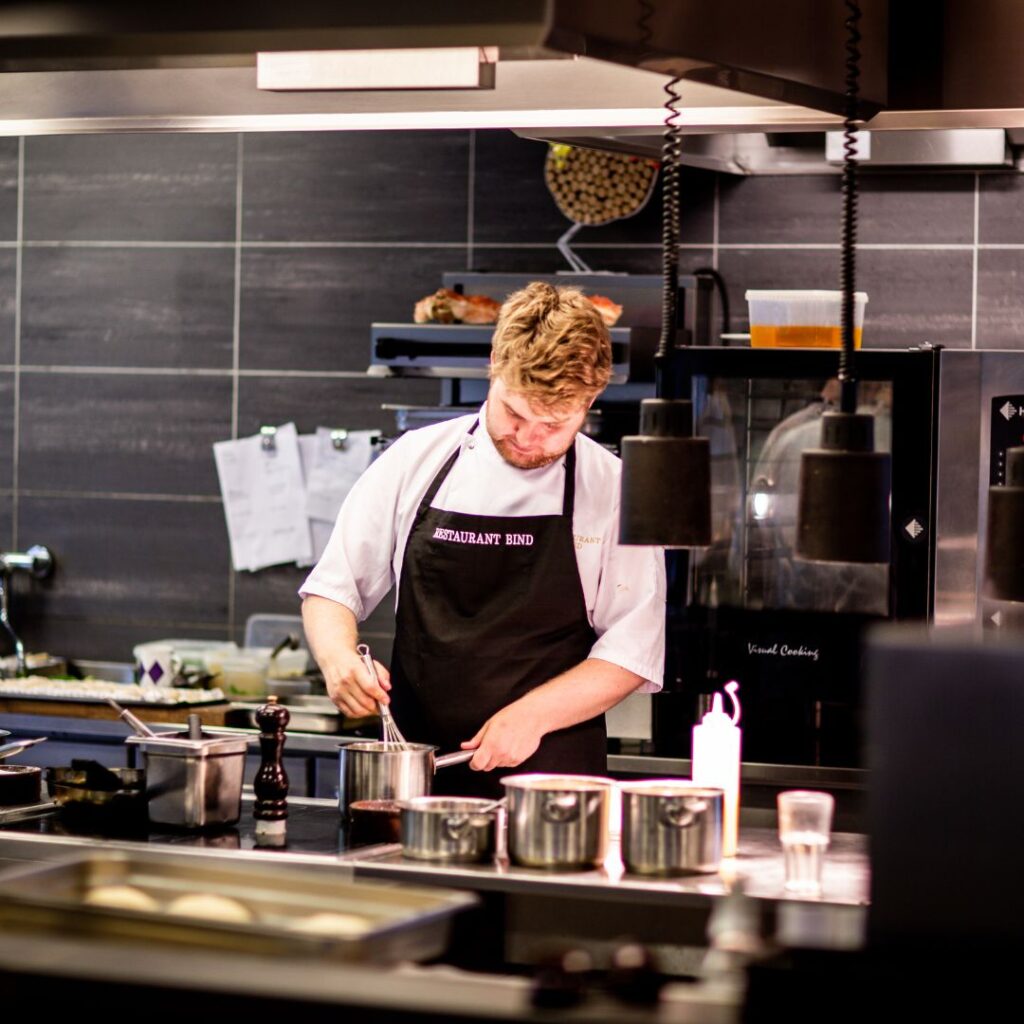
The term ghost kitchen is often associated with restaurants that prepare meals exclusively for delivery. But today’s shared commercial kitchen serves a much broader culinary community.
A permitted shared kitchen can provide professional food-production space for:
- Caterers and event food providers
- Private and personal chefs
- Delivery and takeout concepts
- Bakers and specialty food businesses
- Meal-prep companies
- Food entrepreneurs developing new products
- Packaged-food producers
- Culinary professionals who need access to a health-department-approved facility
For many of these businesses, building a commercial kitchen from scratch simply isn’t practical.
The Health Permit Matters
Operating from a professional kitchen involves more than finding a stove and refrigerator.
Los Angeles County regulates Shared Kitchen Complexes and the food businesses operating within them. Depending upon the type of operation, a culinary business may need its own Public Health Permit and must comply with applicable food-safety requirements.
Shared-kitchen food businesses may also need a Certified Food Protection Manager, while food employees generally must maintain the appropriate California Food Handler Cards.
This makes operating from an established shared commercial kitchen particularly attractive: entrepreneurs can concentrate on building their food business without having to design and construct an entire commercial kitchen facility themselves.
Catering Is an Especially Good Fit
Catering is one area where shared kitchens can make considerable sense.
Los Angeles County has established a specific permitting process for catering businesses operating as tenants within Shared Kitchen Complexes. The process can include a rental agreement with the kitchen operator, Public Health applications, a kitchen floor plan, City business licensing, food-safety certification and Health Department inspection and approval.
For a caterer who needs a legitimate commercial base of operations, access to an established shared kitchen can therefore be an important part of getting properly permitted.
A New Path for Culver City’s Culinary Entrepreneurs
Culver City’s combination of restaurants, entertainment companies, offices, events and creative businesses creates opportunities for many different types of food businesses—not only traditional restaurants.
A shared commercial kitchen can give an entrepreneur the ability to establish a professional food operation without taking on the cost and complexity of building a restaurant kitchen from the ground up.
Whether the goal is launching a delivery concept, expanding a catering company, starting a meal-preparation service or turning culinary talent into a real business, shared kitchens are becoming an important piece of the local food-business ecosystem.
For Culver City’s next generation of chefs and food entrepreneurs, the question may no longer be, “How can I afford to build a commercial kitchen?”
It may simply be, “Where can I rent one?” We are the answer….. Laurel Kitchens!